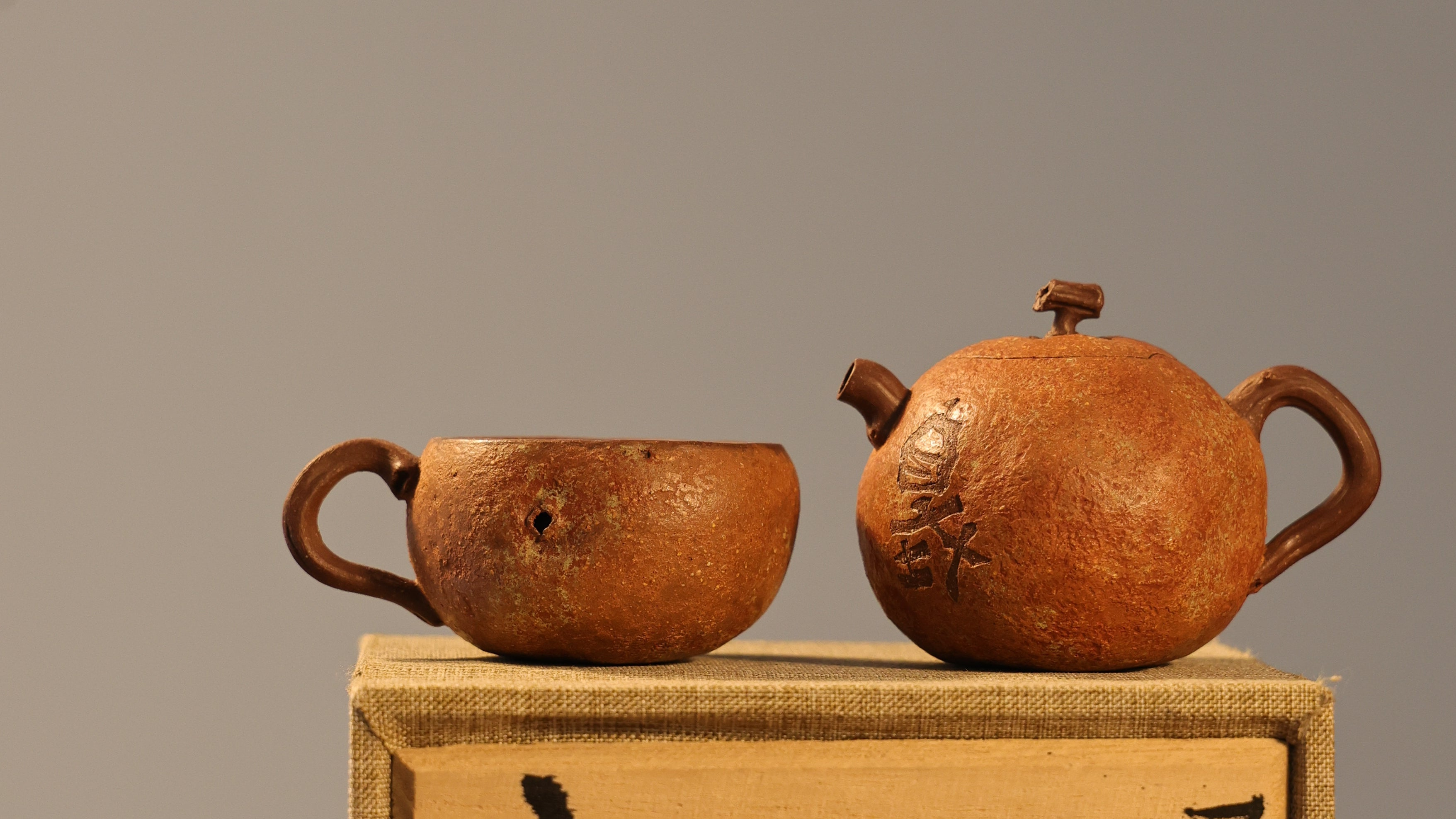
Why is a Purple Clay Teapot perfect for signature sets that define your brand’s style?
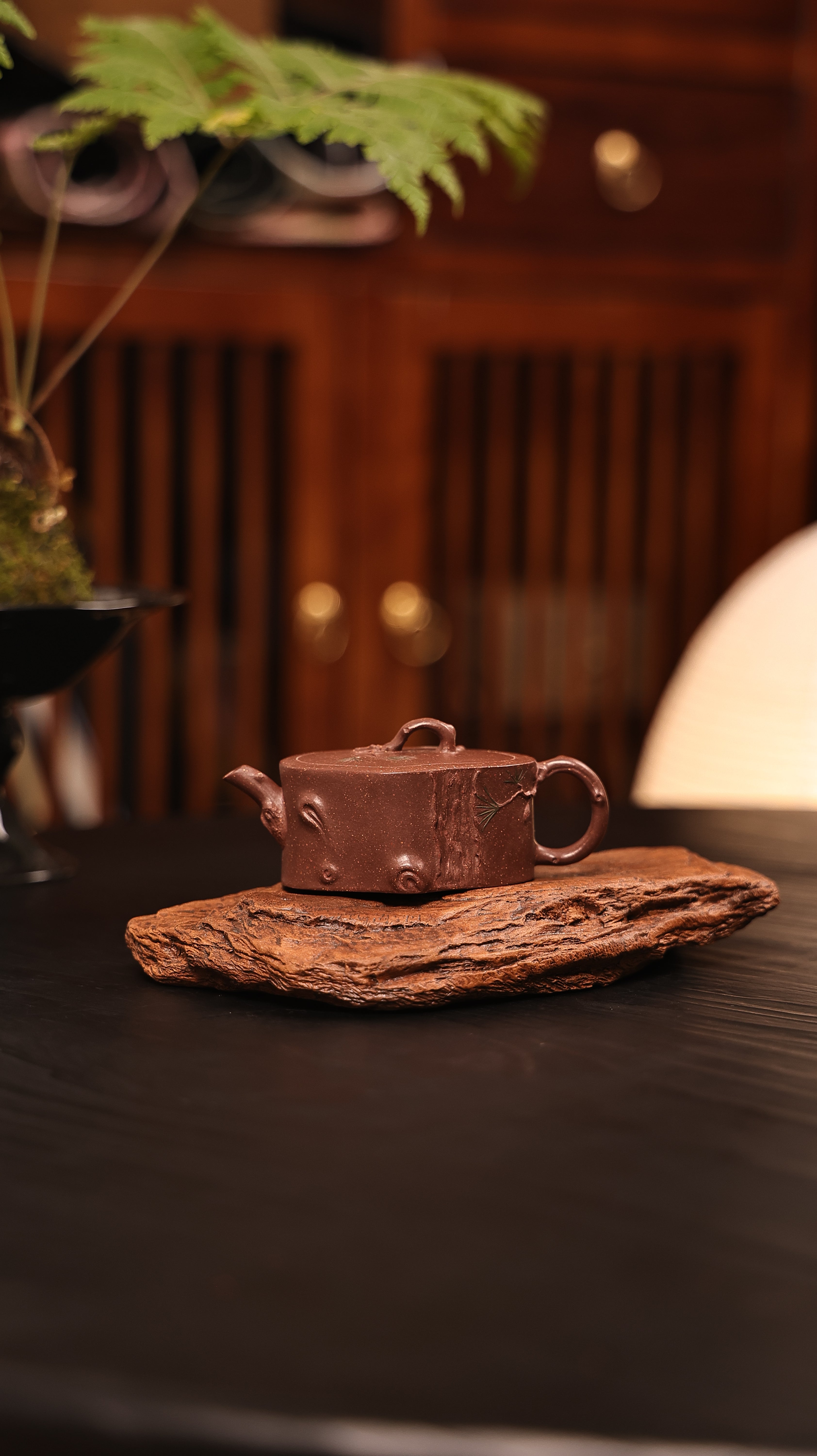
Unending heritage marks Jiangnan jugs for centuries,
Showcasing uncommon aspects drawn from native violet earthen materials, those containers acquire a finish through utilization, refining bouquet released from infused beverages.
Understanding Yixing Earth: Detailed Insights into Zisha
Countless connoisseurs recognize the special feel of Yixing violet clay, a foundation of traditional Chinese workmanship. Appearing from the Yixing region of Jiangsu province, this valuable clay presents an fine mineral constitution, what provides incredible qualities to the manufactured objects. Kinds within Zisha, including Zhuni Mud, Duan Ni Mud, and Jiang Xi Mud, each has special pigments, surfaces, and hardening traits, influencing the openness and the concluding bouquet growth of the tea.
Sino Pitcher Heritage: Examining Innovation
Far Eastern teapots embody far more mere flasks for drink; they embody centuries of cultural technique. From the famous Yixing clay variations, respected for their permeable nature which delivers exclusive flavors to the extract, to the subtle porcelain from Jingdezhen, each piece narrates a record of devotion. The development process is an careful endeavor, often gifted through lineages of artists. These artisans use time-honored procedures such as hand-building, throwing on wheels, and refining, demonstrating profound reverence for the substance and the work itself. Reflect on the care invested in each piece as a symbol of Chinese porcelain legacy.
- Fine containers: a celebrated preference.
- Jingdezhen ware teapots: valued for their refined design.
- Fabricating techniques: a arduous yet worthwhile procedure.
Zisha Urn Preservation: Conserving Your Cherished Item
Necessary maintenance of your unique Yixing Zisha flask is vital to maintaining its condition. Crafted from recognizable purple sand soil, these exceptional teapots gain a appealing patina after use, considerably boosting their allure. Prevent soaps; a delicate rinse with pleasantly warm water is satisfactory. Eschew high temperature water for rinsing the teapot, as it may weaken its body. Allow it to dry away from harsh daylight. Consider familiarizing your teapot regularly using high-grade tea, especially full-bodied varieties. Here is a brief instruction:
- Wash over with softly heated liquid.
- Eschew cleansers.
- Give it to dry naturally.
- Cure with excellent tea.
Roots of Yixing Teapots: Foundational Periods
The record of Yixing teapots begins simply during the Tang dynasty, about the 16th epoch. Initially, these earthenwares were not the coveted objects they are perceived today. They were shaped by territorial potters using the unparalleled purple clay obtained solely in the Yixing vicinity. These early artworks were principally utilitarian, created for habitual utilization and often unpretentious in layout. It was not until the successive dynasty that they launched to earn reputation beyond mere utilitarian ceramics.
Opting For the Proper Purple Pot: A Starter's Explanation
Approaching the arena of Yixing teapots can be discouraging, but refrain from doubting! For newcomers, the primary factor is understanding the mud. Certified Yixing clay is prized for its transparency, allowing the teapot to take in the tea's aroma over time, enhancing every brewing session. Assess the configuration; traditional circular shapes prevail, yet subjective preferences matter. Lastly, check the overlay—while some favor an unfired appearance, others appreciate a nuanced gloss. Take your time in the acquisition process—this is an purchase in a valued piece of fabrication.
Chinese Purple Pots and Their Influence on Chinese Brew Heritage
Zisha vessels, born from Yixing, China, have profoundly affected classic Chinese potion culture. Those Yixing clay teapots, prized for their distinctive cast, surface, and exceptional ability to impart a subtle flavor to the liquid, are more than mere utensils; they are respected works of art and symbols of greatness. The very process of preparing and serving concoction using a Zisha teapot is steeped in meaning, elevating the experience beyond simple refreshment. Families of artisans have improved their techniques, passed down through bloodlines, resulting in highly admired pieces. Hence, Zisha teapots are frequently collected, playing a crucial part in cultivating traditional appreciation for aesthetics and the practice of brew ceremonies.
- Distinctive Clay Composition
- Bestowing Subtle Flavor
- Artistic Craftsmanship
Spotting Genuine Exceptional Chinese Pots
Purchasing a real Yixing teapot can be a fruitful experience, but the arena is often flooded with fakes. Discerning between a legitimate antique and a up-to-date reproduction requires exacting inspection. Key signs include the clay's auburn shade, often displaying striped decorations, and the scarcity of modern baking imprints. The design should exhibit natural refinement, reflecting the traditional Yixing look. Finally, analyzing the Purple Clay Teapot artisan's emblem is paramount to verify legitimacy against official testimonies.
- Assess the clay's grain.
- Look for irregularities, indicative of crafted quality.
- Consult an authority for evaluation.
Buying Eastern Earthenware: A Elaborate Guide to Purple Clay Interpretation
The sector of Traditional Zisha teapots provides a exceptional possibility for shrewd enthusiastic followers. Increasingly, the worth of these custom artifacts is determined by diverse components, such as the rank of component, the expertise of the potter, the cultural importance, and, naturally, the ongoing demand. Starters should emphasize on exploring the multiple classes of Zisha clay—such as Frosted Water, Peaceful Container, and Ruby Mud—and exploring the aspects linked to each. Precise appraisal of the earthenware's contour, tone, and signature is further vital to make knowledgeable decisions when investing.